
Monofilament Hair Systems: Compare the Base and Perimeter
Monofilament hair systems are often selected by looking at how their base is built. The label mono can describe the central material, while the front and perimeter may use lace or polyurethane. A useful review therefore
This product overview is based on documented specifications. It is not a claim of independent hands-on testing.
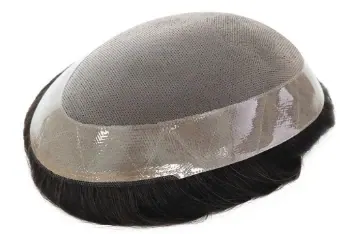
Monofilament hair systems are often selected by looking at how their base is built. The label mono can describe the central material, while the front and perimeter may use lace or polyurethane. A useful review therefore separates the main base, the attachment edge and the front hairline instead of treating them as one feature.
Look at all three sections
| Section | Details to confirm |
|---|---|
| Centre | Fine mono, welded mono or another specifically listed material; the area that it covers. |
| Perimeter | Whether the edge is poly, coated mono or another construction, and its stated width. |
| Front | The front material, contour and any listed lace or knot treatment. |
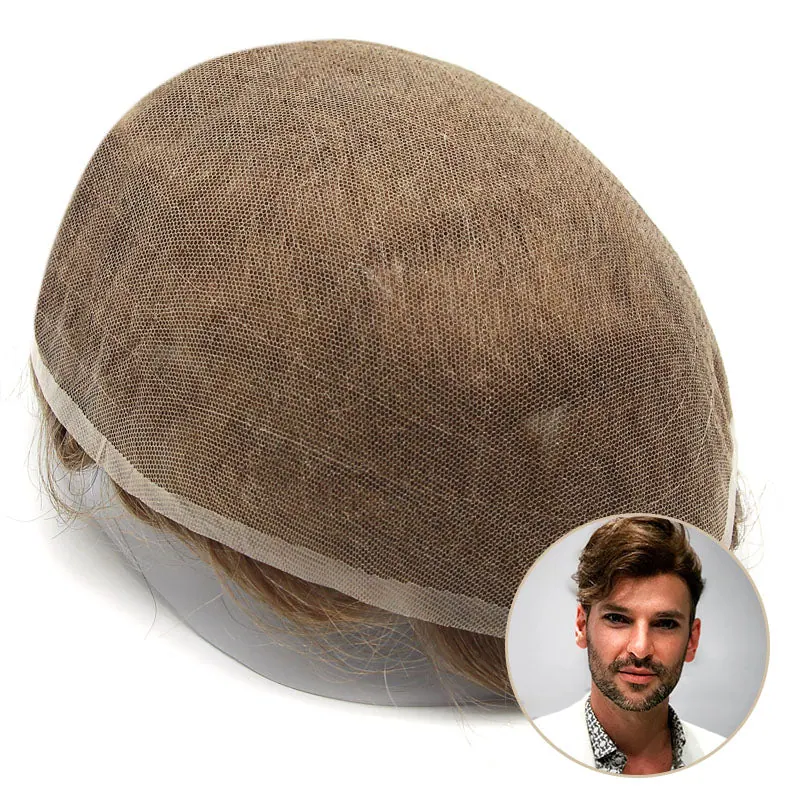
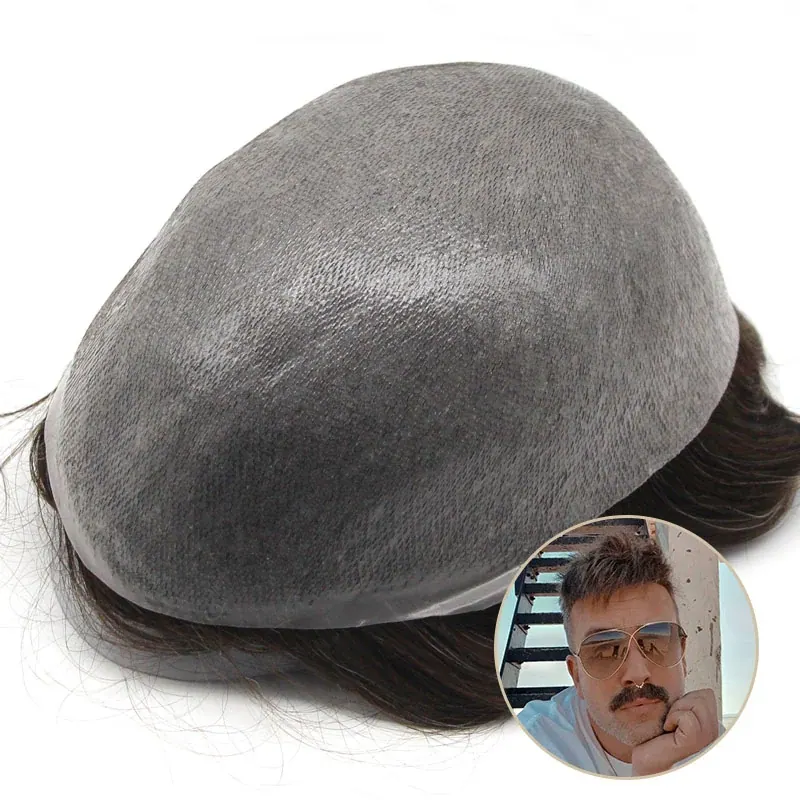
Captured product specifications illustrate why this matters. Some designs combine a fine mono centre with a poly perimeter and a lace front. Other designs use a different mono construction or a different edge. A title containing monofilament is useful for finding the category, but the specification table is needed to compare individual models.
Consider the hair specification separately
Check whether the listed hair is human hair and how the source describes the hair type. Review the offered length, density, colour and curl rather than assuming those details follow from the base. Grey hair content can also be specified separately from the rest of the hair, so confirm its composition when that is relevant to the selected colour.
For a partial hairpiece, the intended blend with the surrounding hair should guide the choice of density and style. A stronger-looking base construction does not automatically require the fullest available hair density. Ask for the density and base combination that matches the planned cut.
Confirm the practical fit
- Compare the exact base width and length with the area to be covered.
- Check the front contour and whether the stock shape can be trimmed.
- Keep the required perimeter intact when a particular edge is part of the attachment design.
- Confirm compatible attachment products and the recommended removal process.
- Review any product-specific care estimate as an estimate with conditions.
Use durability claims carefully
Source descriptions commonly emphasise the structure and handling characteristics of mono constructions. Actual service life also depends on wear, cleaning, styling and removal. A general category comparison cannot establish how long a particular unit will last in an individual routine.
When requesting a quotation, describe the complete construction you want: for example, the mono centre, the perimeter material and the front section, followed by the hair options. This gives you a more precise basis for comparing alternatives than asking only for a durable men’s toupee.
Questions & discussion
No published comments yet. Be the first to ask a question.
Sign in to join the discussion.