
Lace vs Thin Skin vs Mono: Compare Men’s Hair System Bases
A useful hair system comparison begins with the base: the layer that holds the hair and sits against the scalp. Lace, thin skin and monofilament describe different constructions. The most suitable starting point depends
This product overview is based on documented specifications. It is not a claim of independent hands-on testing.
A useful hair system comparison begins with the base: the layer that holds the hair and sits against the scalp. Lace, thin skin and monofilament describe different constructions. The most suitable starting point depends on the coverage you need, the hairstyle you want and the care routine you can maintain. This comparison examines those design choices using published product specifications.
What each base description tells you
| Base family | Construction to examine | Question to ask |
|---|---|---|
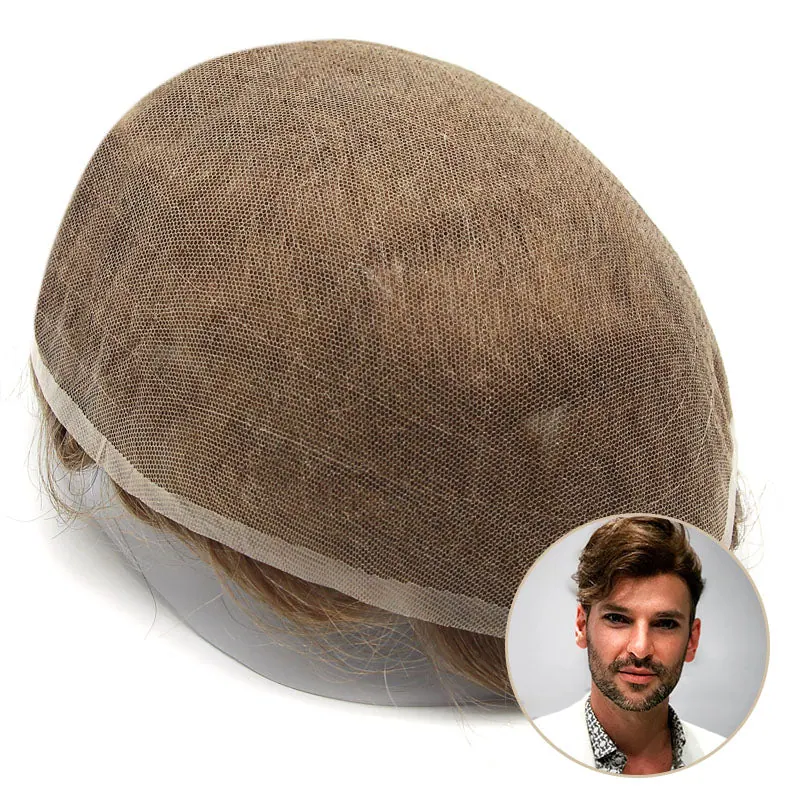
| Lace | An open mesh base, sometimes combined with a polyurethane perimeter or a different front section. | Is the entire base lace, or only the front or centre? |
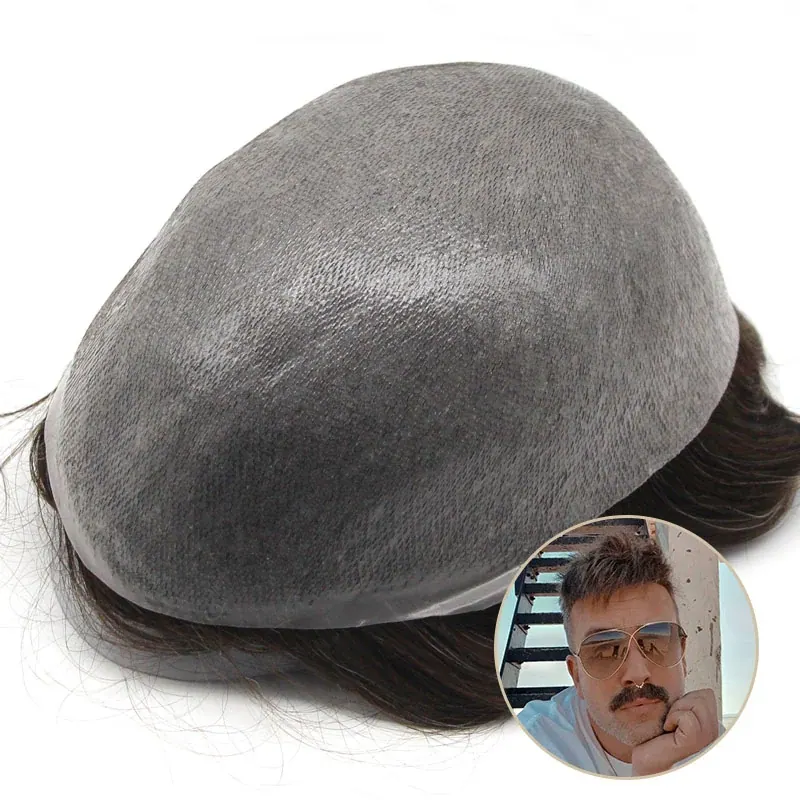
| Thin skin | A polyurethane base with a stated thickness and a particular method of securing the hair. | What is the thickness, and is the hair knotted, injected or V-looped? |
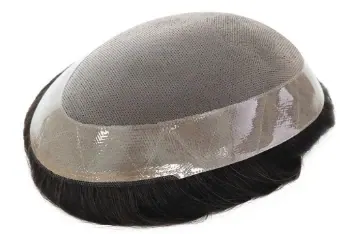
| Monofilament | A mesh construction that may be paired with a poly edge, coating or lace front. | Which sections use mono, and how is the front hairline constructed? |
The category name alone does not describe the complete product. Two systems sold as lace can use different mesh, dimensions and perimeter materials. Likewise, a mono system with a lace front differs from a full-mono design. Read the construction diagram and specification table together.
Hairline appearance involves more than the base
For a hairstyle swept away from the face, look closely at the front section. Check the front contour, whether knots are bleached, and whether the published construction changes at the front. Colour match, density, fit and the final haircut also affect the result. A material label cannot guarantee that every fit or installation will look the same.
A fringe or a style with less exposed front hairline changes the practical emphasis. You may place more weight on the coverage, attachment area and handling routine. These are styling preferences to discuss when comparing specifications, rather than reasons to assume that one material is universally superior.
Compare the complete configuration
- Measure the coverage area and compare it with the listed base dimensions.
- Check whether trimming is permitted and which perimeter or hairline sections must remain intact.
- Match the offered hair colour, grey percentage, density, length and curl to the intended style.
- Confirm the adhesive or tape compatibility for the exact base and the selected attachment product.
- Ask for the care and removal instructions before selecting a maintenance routine.
A practical way to shortlist
Start with two or three products that meet the same coverage and hair requirements. Then compare their base construction. This keeps the comparison meaningful: a smaller, lighter-density system and a larger, fuller system can differ for several reasons beyond their base material. If the stock options do not match the required combination, request confirmation of a custom specification.
A quoted wear duration, if supplied, should be treated as a product-specific estimate with stated conditions. Handling, attachment, cleaning and styling vary. Use the comparison to ask more precise questions and obtain a complete quotation for the configuration you actually intend to wear.
Questions & discussion
No published comments yet. Be the first to ask a question.
Sign in to join the discussion.