
Hair System Curl and Wave: Read the Texture Specification
Curl and wave descriptions help define the texture of a hair system. A catalogue may use words such as straight, light wave or afro curl, a numerical size, or a combination of both. Before comparing two options, confirm
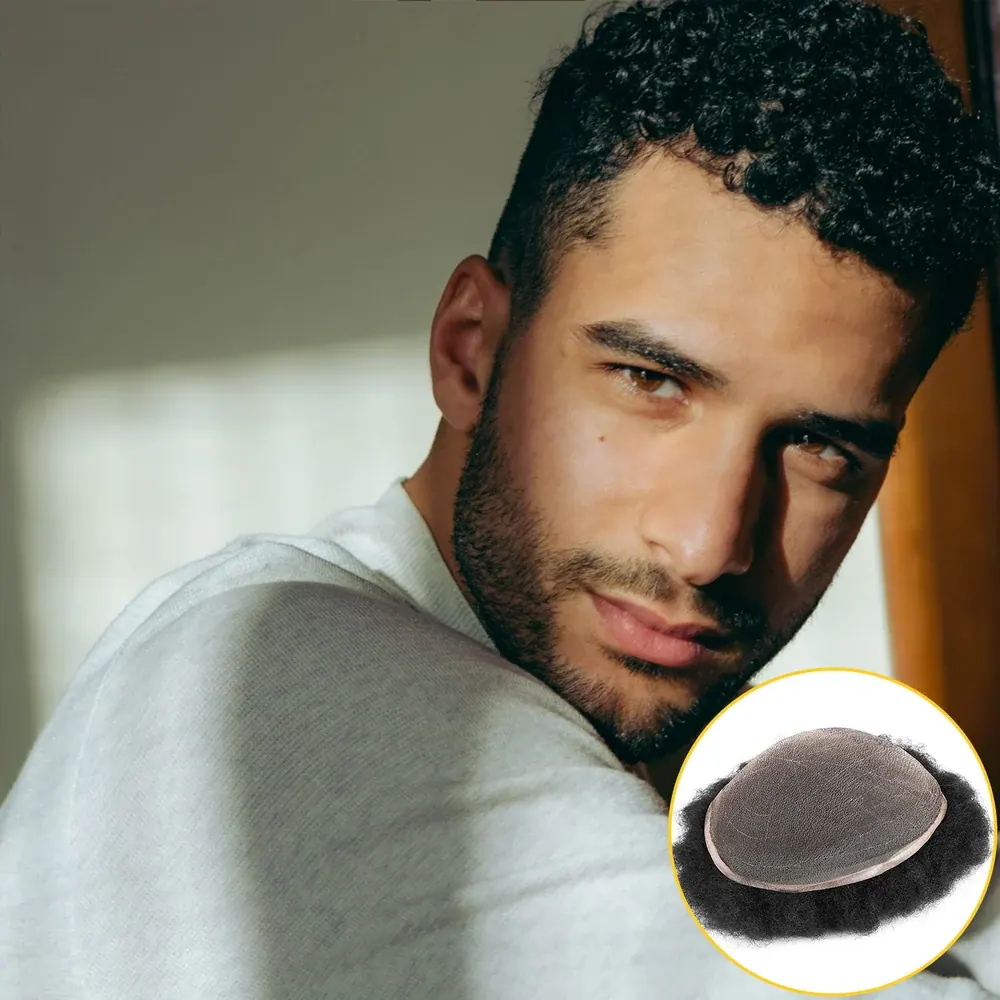
Curl and wave descriptions help define the texture of a hair system. A catalogue may use words such as straight, light wave or afro curl, a numerical size, or a combination of both. Before comparing two options, confirm what the description measures and how the finished hair is expected to appear.
Understand the reference behind the number
The source guidance describes some curl choices using the size of a rod used in processing. It also explains that the finished curl can open beyond that reference size. A stated measurement therefore should not automatically be treated as the exact diameter of every finished curl.
Ask whether a numerical curl value refers to a processing reference or the finished appearance. Use photographs or a sample for the specific range when available. This is particularly helpful when moving between loose waves and much tighter curl patterns.
Consider hair length and the intended haircut
The same texture can appear different after the hair is cut and styled. Tell the person preparing the order how long the finished hairstyle should be, not only the supplied hair length. Ask how the product measures length and whether the relevant reference is stretched or in its natural texture.
For a partial system, compare the texture with the hair that will remain visible around it. Density and styling direction also affect the blend. A curl choice should be considered alongside those specifications instead of as an isolated feature selected from a photograph.
Confirm the complete colour and texture combination
Hair processing can vary by colour and fibre type. Check that the requested curl is offered with the selected colour, grey content and hair composition. A texture available in one configuration is not automatically available in every other option.
- Record the catalogue texture name and numerical reference together.
- Ask what the measurement represents for that range.
- Describe the intended finished length and hairstyle.
- Confirm the available colour, grey and fibre combination.
- Keep the care and styling guidance for the chosen texture.
Use the specified care method
Detangling, drying and styling can change how a texture presents. Follow the guidance for the exact unit and its fibre composition. Avoid assuming that a particular heat or chemical treatment is suitable simply because another hair system accepts it.
A clear texture request includes the curl reference, hair length, density and an appropriate visual example. That combination gives a more useful basis for a quote than a broad request for curly or wavy hair alone.
Questions & discussion
No published comments yet. Be the first to ask a question.
Sign in to join the discussion.