
Full Cap vs Partial Hair Systems: Coverage and Measurement
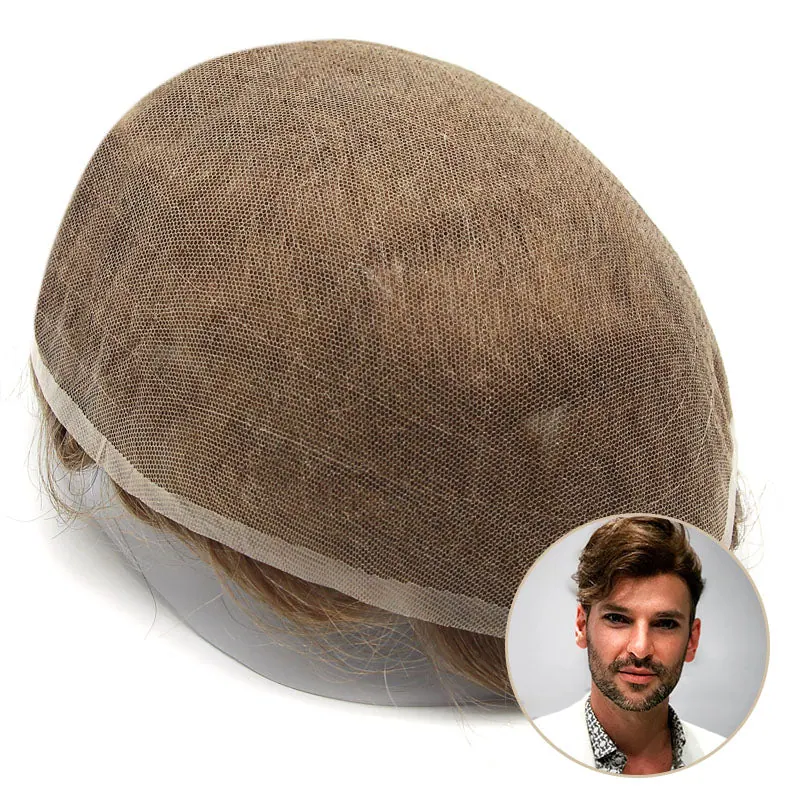
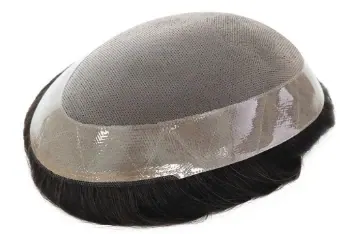
A partial hair system covers a defined area and is usually considered together with the hair that remains visible around it. A full-cap hair system covers a much larger area of the head and is planned as a complete hairs

A partial hair system covers a defined area and is usually considered together with the hair that remains visible around it. A full-cap hair system covers a much larger area of the head and is planned as a complete hairstyle. The distinction begins with coverage, then affects measurement, construction and fitting.
Decide the coverage first
For a partial system, identify the area that needs to be covered and how the hair will blend at its boundaries. A frontal piece, a crown piece and a larger top section are different coverage requirements. Use the measurement method for the chosen type rather than assuming that all partial designs share one shape.
A full-cap order needs the overall head shape to be described more completely. The source guidance uses several measurement routes, including circumference, front-to-nape and measurements across or around the head. Follow the exact diagram supplied for the product and label each value clearly.
Size is more than one number
Do not substitute a single width or circumference for the complete set of required measurements. Confirm the front outline, the nape and the areas around the ears when those details form part of the design. For a custom order, ask whether a template or other fitting reference is required.
A stock size may be a useful option when its dimensions and construction match the requirements. Check the permitted adjustments before relying on trimming. The specialised front, perimeter or other sections of a base can affect which changes are appropriate.
Compare construction and attachment
Full-cap systems, like partial systems, can use different base materials. Review the actual construction and its intended attachment method. Ask for the compatible supplies and fitting instructions for that design instead of carrying over a routine from a different unit.
- State whether the goal is a partial area or full-head coverage.
- Use the measurement diagram for the exact type of system.
- Confirm the front, ear and nape details where applicable.
- Describe the complete hairstyle, including hair direction and finished length.
- Review the fitting, attachment and maintenance plan before ordering.
Keep the complete specification together
Record the coverage type, measurements, base construction, hair options and fitting instructions in one place. For a full-cap system, the colour and density form part of the overall hairstyle; for a partial system, the blend with surrounding hair also needs attention.
The most useful shortlist contains designs that meet the required coverage first. From there, compare the construction, hair options, preparation and current quotation for each suitable configuration.

Questions & discussion
No published comments yet. Be the first to ask a question.
Sign in to join the discussion.