
Hair System Colour Matching: Samples, Codes and Grey Blends
Colour matching is easier when the selected hair system is compared with the hair it needs to blend into. A broad description such as brown, black or blonde is a useful starting point, but it may not describe the tone, h
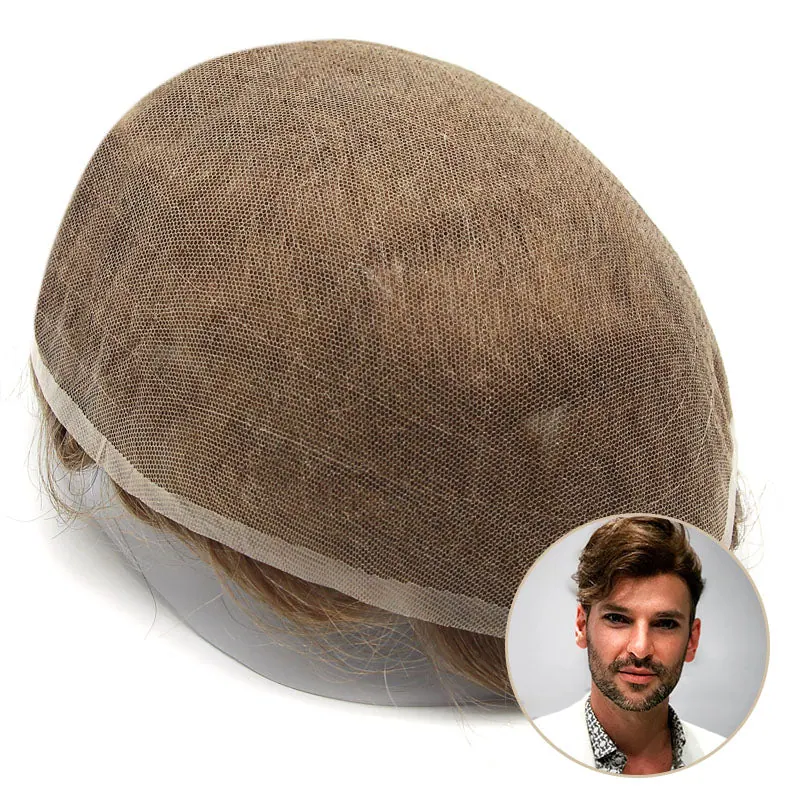
Colour matching is easier when the selected hair system is compared with the hair it needs to blend into. A broad description such as brown, black or blonde is a useful starting point, but it may not describe the tone, highlights or grey content closely enough for a final order. Use the colour method available for the exact product.
Start with the areas that will meet the system
For a partial hairpiece, consider the hair around the sides and back as well as the front. The source guidance notes that hair colour and grey content can vary between areas. A single colour description may therefore miss an important difference. Describe where the match matters and whether the intended style exposes those areas.
If a physical hair sample is requested, follow the specific collection and labelling instructions. Keep samples from different areas identified rather than mixing them without explanation. Ask how they should be secured so that tape or other packaging does not obscure the colour that needs to be assessed.
Use the correct colour reference
A colour ring or swatch can provide a more consistent reference than a photograph alone. Confirm that the code belongs to the range used for the product. The same-looking number or shade name should not be assumed to mean the same tone across unrelated catalogues. Keep the agreed reference with the final specification.
Photographs can still help communicate the intended overall result, but lighting and screen settings affect how colour appears. Describe any uncertainty in the enquiry. If you are replacing a system, explain whether the new one should match its original colour or the colour it has now.
Record grey content separately
A blend includes both the underlying colour and the amount and placement of grey. Specify those choices separately when the order supports them. Also confirm whether the grey strands are human hair or a synthetic fibre, because the composition is relevant to the later colouring and styling instructions.
- Identify the colour ring, sample or reference method used for the order.
- Record the base colour and any grey percentage or zone differences.
- Confirm the composition of the grey hair where applicable.
- Compare the colour together with density, curl and the intended haircut.
- Keep the approved specification for future enquiries.
Avoid an assumed colour correction
Do not base the order on the assumption that any mismatch can simply be dyed away later. Hair processing and fibre composition can affect which changes are appropriate. Ask about the available colour options and permitted aftercare before choosing the final configuration.

Questions & discussion
No published comments yet. Be the first to ask a question.
Sign in to join the discussion.