
Hair System Base Size: Measure the Coverage You Need
The relevant measurement depends on the type of hair system. A partial hairpiece covers a defined area, while a full-cap design needs information about the whole head and its shape. Begin by confirming which measurement
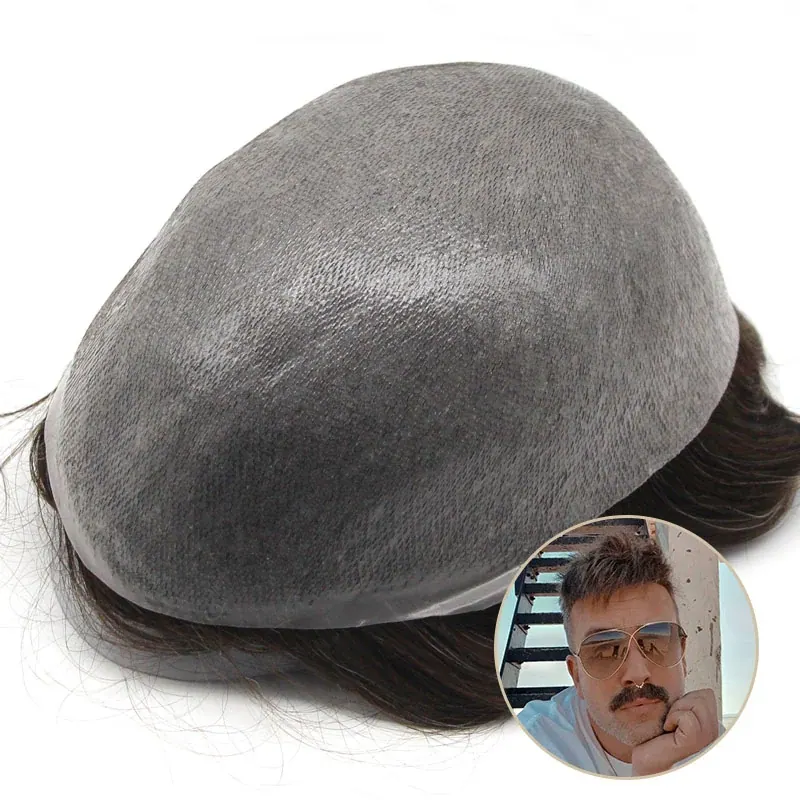
The relevant measurement depends on the type of hair system. A partial hairpiece covers a defined area, while a full-cap design needs information about the whole head and its shape. Begin by confirming which measurement method is required for the product you are considering.
Separate partial coverage from a full cap
For a partial system, the length and width of the area to be covered are key starting measurements. Record them clearly, including the unit used. A head circumference is not a substitute for the dimensions of a partial coverage area. If the boundary or front position is uncertain, ask for fitting help before choosing a stock size.
A full-cap order can require circumference, front-to-nape and several ear-to-ear or temple measurements. Use the exact diagram supplied for that design. Different routes over the head can produce different results, so a description of the measurement path matters as much as the number.
Measure consistently
- Use a flexible measuring tape appropriate for the requested method.
- Keep the tape positioned along the specified path without pulling it excessively tight.
- Repeat the measurements and resolve any large difference before ordering.
- Write down whether values are in inches or centimetres.
- Label any accompanying template, diagram or photograph clearly.
Compare the result with the stock construction
A catalogue size gives the supplied dimensions of that particular base. Confirm whether it can be trimmed to the required shape and what parts of the construction need to remain. A poly perimeter, lace front or other specialised section can affect how the base should be handled during fitting.
Stock dimensions such as 6 × 8 or 8 × 10 inches describe available options, not a universal size recommendation. A larger piece is only a useful starting point when its construction and permitted trimming are suitable for the intended fit. Ask for confirmation rather than assuming that every base can be reduced in the same way.
Include the front contour and hairstyle
Length and width do not fully describe the front shape. Add the required contour and explain how the hairline will be styled. For a custom system, follow the requested template or drawing process so that the order includes the shape as well as the dimensions.
Keep the measured coverage, selected stock or custom size, and fitting instructions together. This makes the quotation easier to check and gives you a useful reference when ordering another unit or requesting a change.

Questions & discussion
No published comments yet. Be the first to ask a question.
Sign in to join the discussion.