Prepare a useful fitting consultation
Turn measurements, contours and alteration limits into a clear order record.
A length and width are a starting point, not a complete fitting specification. Before ordering, ask who will define the coverage area and front contour, who will create or approve the template, and who will cut the base. Use one written record so that the supplier and fitter are not working from different versions. Record units beside every measurement.
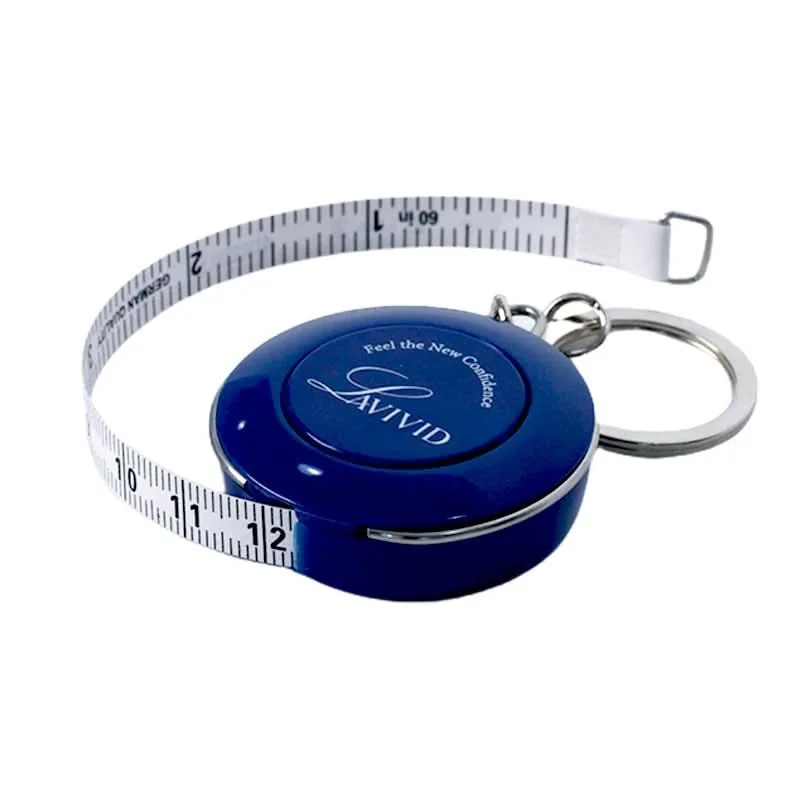
LaVivid's measuring tape is marked in centimeters and inches, while its template maker is intended to capture head shape. These tools solve different recording problems: a number describes a distance; a template communicates an outline and shape. Buying the tools does not establish that the resulting fit has been checked. Ask the receiving provider which format it accepts.
Alteration limits can rule out a model even when its advertised dimensions appear large enough. HairBro's Swiss Lace 90% Density page lists an 8 by 10 inch base and says it cannot be cut below 6.5 by 8 inches. Confirm that restriction against your approved outline before requesting any cutting. Do not assume the same minimum applies to other lace products.
At the appointment, review front position, remaining hair, desired parting and the intended attachment method together. Ask for the final dimensions and approved template version on the order confirmation. Keep a copy before irreversible alteration. If two measurements disagree, resolve the difference with the fitter rather than averaging them or quietly changing units.
Official references
Original editorial analysis of linked official specifications and resources, checked 12 September 2026. No hands-on testing or measured ranking; availability and policies require reconfirmation.
Illustrative official catalog photo supplied by the linked brand; not an editorial wear-test photograph.